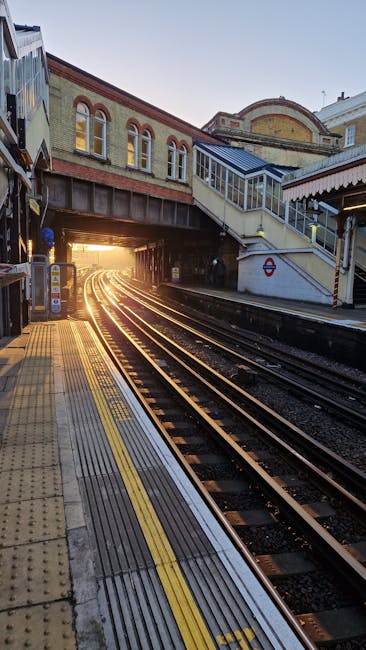
Fitzrovia removals Goodge Street station access guide
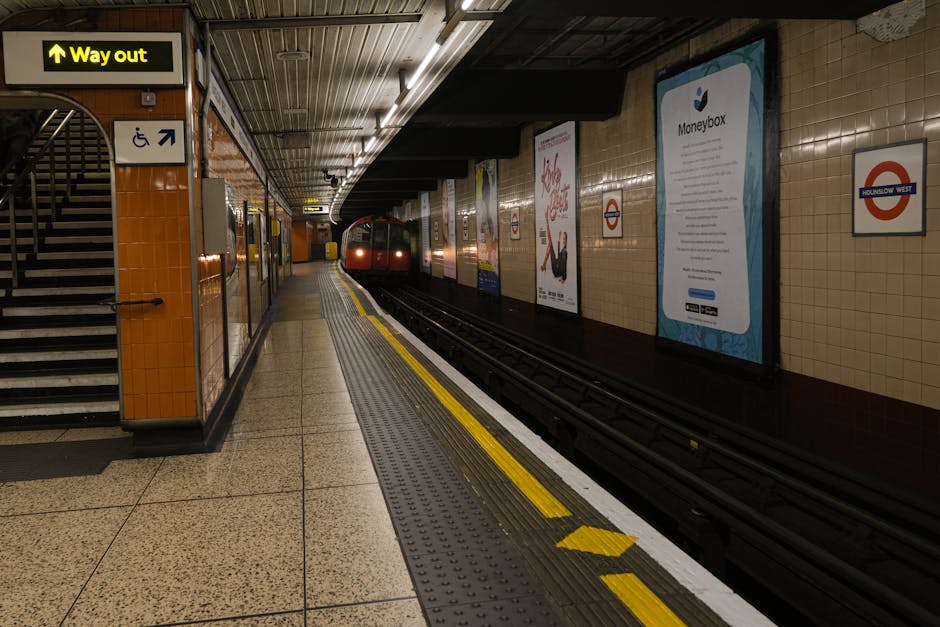
If you are planning a move in Fitzrovia, the stretch around Goodge Street station can make or break the day. Streets look straightforward on a map, but the reality is a bit more fiddly: narrow roads, busier footfall at certain times, awkward loading bays, and the general Central London dance of timing everything just right. This Fitzrovia removals Goodge Street station access guide is here to help you plan sensibly, avoid last-minute stress, and get the van in and out with fewer surprises.
Whether you are moving a flat, an office, or just a few bulky items, the basic goal is the same: protect your belongings, respect local access constraints, and keep the move efficient. That sounds simple. In practice, it often is not. So let's break it down in a way that feels usable on moving day, not just theoretically tidy at 9 a.m. on a Monday.
Why Fitzrovia removals Goodge Street station access guide Matters
Goodge Street sits in one of those parts of London where everything is close together, but nothing is especially easy. Fitzrovia has a lot of residential and commercial movement, and that means removal vehicles are often working around pedestrians, tight carriageways, delivery traffic, and building entrances that were never designed with a modern move in mind. If you have ever watched a van inch into position while somebody tries to squeeze past with a coffee, you will know the feeling.
The point of a good access guide is not just to save time. It is to reduce risk. Fewer delays mean less labour time, less carrying distance, fewer bumps to furniture, and a calmer crew. It also helps you avoid one of the biggest moving-day problems: discovering that the best parking option is not actually suitable for a longer van, a high-top vehicle, or a full house load.
For moves close to Goodge Street station, planning matters because the access conditions can change quickly through the day. Morning commuting, lunchtime footfall, school runs, and delivery windows all affect how easy it is to load or unload. A move that feels easy at 7:30 a.m. may feel very different by 10:00 a.m. Truth be told, that is where many otherwise simple jobs go slightly sideways.
If you want the broader moving service context behind this guide, it can also help to look at man and van support in Fitzrovia, general removals, or home moves when comparing what type of vehicle and crew suits your property.
How Fitzrovia removals Goodge Street station access guide Works
At a practical level, the guide works by turning a vague "we need to move from near Goodge Street" into a route, timing, and loading plan. That means thinking through the van size, where it can legally stop, how far items will need to be carried, and what the building access looks like at both ends.
For most Fitzrovia moves, the access plan has four moving parts: the street itself, the entrance or loading point, the vehicle's stopping position, and the final carry into the property. If any one of those is awkward, the whole job slows down. Sometimes a short walk with a trolley is fine. Sometimes it is the difference between a smooth morning and a lot of unnecessary stair climbing. No one really wants the latter.
Goodge Street station access also matters because station-adjacent areas tend to have more continuous movement than quieter side roads. So the move should be planned with a real eye on timing, not just distance. A shorter route on paper may still be slower if the van has to wait repeatedly, reverse awkwardly, or park further away than expected.
This is where working with a removal team that understands central London logistics can make a visible difference. Services such as removal services, man with van support, or experienced movers are often better suited to tight access because they can scale the vehicle and crew to the job, rather than forcing the job to fit the vehicle.
Key Benefits and Practical Advantages
The main benefit of planning access properly is obvious: the move runs more smoothly. But the gains go further than speed alone.
- Less carrying distance: If the van can get closer, your furniture, boxes, and fragile items are handled fewer times.
- Lower damage risk: Shorter carries and clearer routes usually mean fewer knocks on door frames, railings, and stair edges.
- Better time control: With central London access, time is money. Even a small delay can ripple through the rest of the day.
- Less neighbour friction: A tidy, well-timed load is simply less annoying for everyone else on the street.
- More accurate quoting: The more the access is understood in advance, the less likely you are to face a mismatch between expectation and reality.
There is also a softer benefit: peace of mind. People underestimate how draining a move can be when the building is awkward, the street is tight, and the vehicle keeps having to reposition. A good access plan strips out a lot of that noise. The day still feels busy, of course, but manageable.
If your move is part of a bigger household move, services like house removals, house movers, or house removalists can be useful when you need a more complete, all-round approach rather than a simple point-to-point load.
Who This Is For and When It Makes Sense
This guide is useful for anyone moving in or around Fitzrovia, but it is especially relevant if your property sits within walking distance of Goodge Street station. The closer you are to the station and surrounding busy roads, the more the access details matter.
It makes sense for:
- tenants moving into or out of flats with limited street frontage
- homeowners dealing with narrow entrances, basements, or upper-floor walk-ups
- students or sharers moving smaller loads but needing efficient timing
- small businesses relocating stock, furniture, or files
- office teams planning a central London relocation with minimal disruption
It also matters if you are booking a man with a van rather than a large truck, because the smaller vehicle may be more flexible in tight streets, but it still needs a sensible stopping place. Smaller does not automatically mean easier. Sometimes it does, sometimes it just means faster once the plan is right.
For commercial users, it is worth considering whether your job is better handled through commercial moves or office removals, especially if there are desks, IT equipment, or shared access windows to work around.
Step-by-Step Guidance
Here is a practical way to plan access near Goodge Street station without overcomplicating it.
-
Check the exact pickup and drop-off points.
Do not rely on the postcode alone. Fitzrovia blocks can vary hugely in how easy they are to reach, even when they look close on a map.
-
Measure the bulky items.
Take rough dimensions for sofas, wardrobes, beds, cabinets, and anything awkward. A few centimetres can change how the load is arranged inside the van.
-
Decide what size vehicle you actually need.
A smaller van can be better for access, but if it means two trips instead of one, you may lose time. Balance access against capacity, not just instinct.
-
Plan the loading route.
Work out whether items need to pass through lifts, hallways, side entrances, or stairs. If the route is tight, protect walls and corners before moving anything heavy.
-
Choose a sensible time window.
Early morning often works better in central London, but each street is different. If your building has quiet hours or concierge rules, factor them in.
-
Prepare for a short carry if needed.
Sometimes the van cannot stop directly outside. That is normal enough. Plan trolleys, sturdy boxes, and enough hands for the walk from vehicle to door.
-
Confirm building access in advance.
Keys, lifts, intercoms, and entry codes should all be sorted before the van arrives. It sounds obvious, but this is where people lose ten minutes, then twenty, and then everyone starts looking at the clock.
-
Keep a backup plan.
If your original loading spot is unavailable, know where the nearest realistic alternative is. On a busy Fitzrovia street, that little bit of flexibility is gold.
A solid move plan often includes packing support too. If you want help getting items ready in a way that speeds loading and protects fragile goods, packing and unpacking services can save a lot of hassle, especially when time is tight.
Expert Tips for Better Results
Over time, the same access lessons come up again and again. A few small choices make the day noticeably easier.
- Use uniform box sizes where possible. They stack better and waste less space in the van.
- Keep one "first off" box separate. Put documents, chargers, tea bags, and basic tools in one easy-to-reach container. You will thank yourself later.
- Pad corners and fragile edges. In tight stairwells and narrow landings, this matters more than most people think.
- Take photos of access points. A quick picture of the doorway, stairwell, or loading area can help the crew plan before they arrive.
- Communicate anything unusual. Low ceilings, tight turns, long carries, or a lift that is "usually fine" but not always. Mention it. Honestly, mention it.
Another useful tip: do not overestimate how easy it will be to carry heavy furniture down a busy route while sharing space with pedestrians. A move near Goodge Street is not the place to improvise with a wardrobe and a mystery angle. Better to slow down and plan properly than to rush and regret it.
If you are choosing between vehicle options, it may help to compare a removal van, removal truck hire, or a moving van. Each has different advantages depending on street access, item volume, and parking reality.
Common Mistakes to Avoid
Most access problems are avoidable. That is the annoying part, really. They feel dramatic on the day, but they are usually caused by small missed details.
- Booking a vehicle that is too large for the street. Bigger is not always better in Fitzrovia.
- Assuming you can stop anywhere for "just five minutes." That is how delays start.
- Not checking building rules. Some properties are far stricter than expected about lift use, access times, or loading outside entrances.
- Leaving packing until the last minute. Loose items slow down access and make carrying harder.
- Failing to brief the movers. If the crew only learns about the basement stairs when they arrive, the clock is already against you.
- Ignoring weather. Rain makes cardboard softer, pavements slicker, and careful carrying more important. London drizzle, as always, arrives without asking.
There is also a quiet mistake people make: not budgeting enough time for loading and unloading. In central London, a move that looks like a 45-minute job can easily stretch once access is real rather than imagined. That is not a scare tactic. It is just life around Goodge Street.
Tools, Resources and Recommendations
You do not need a huge toolkit, but a few practical items make a real difference.
| Item | Why it helps | Best use |
|---|---|---|
| Furniture blankets | Protects surfaces from scuffs and corner knocks | Sofas, tables, wardrobes, and wooden furniture |
| Strong tape and labels | Keeps boxes closed and rooms organised | Packing before the van arrives |
| Moving dolly or sack truck | Reduces effort on longer carries | Flats with a short but awkward walk to the vehicle |
| Stretch wrap | Helps keep drawers and loose parts together | Chairs, cabinets, and compact furniture |
| Phone photos of access routes | Helps the team plan before arrival | Stairwells, entrances, and loading points |
For a more complete move, the most useful "resource" may simply be the right type of removal support. If you need a fuller service rather than a one-off lift-and-load, removals near me searches are often how people start, but it is worth comparing the actual scope of service, not just the headline phrase. A cheap quote can look brilliant until access becomes awkward. Then, not so much.
You may also want to review practical trust pages like insurance and safety information and the company's health and safety policy so you understand how furniture, staff, and property are handled.
Law, Compliance, Standards, or Best Practice
For a local removals move near Goodge Street station, the biggest compliance issue is usually not some dramatic legal hurdle. It is more often a mix of parking rules, safe loading practice, building access rules, and reasonable care for pedestrians and property. In London, streets can be heavily controlled, and vehicles need to behave accordingly.
Best practice usually means:
- using a vehicle that fits the route and loading space
- checking whether the property or street has loading restrictions
- avoiding obstruction of footpaths, entrances, and emergency access points
- protecting the building fabric during carries
- making sure the crew is briefed on manual handling and item weights
It also means being honest about what can and cannot be done safely. If a sofa will not turn a stairwell corner without damage risk, the right answer is usually to reassess the route, not just keep pushing. That is where experienced teams earn their keep. They know when to move, when to pause, and when a slightly longer carry is actually the smarter option.
For general trust and service expectations, you can also review the company's terms and conditions, privacy policy, and payment and security information before booking. It sounds formal, but it is part of a sensible buying decision.
Options, Methods, or Comparison Table
When you are choosing how to handle access near Goodge Street station, the best method depends on the volume of items, the street conditions, and how much lifting you want to take on yourself.
| Option | Best for | Pros | Trade-offs |
|---|---|---|---|
| Small man and van | Light to medium moves, tight streets | Flexible, easier to position, often quicker for short jobs | May need more trips if the load is large |
| Standard moving van | Typical flat or small home move | Balanced capacity and manoeuvrability | Still needs sensible parking and access planning |
| Removal truck | Bulkier household or office moves | Higher capacity, fewer trips | Harder to position in narrow central London streets |
| Full packing and moving service | Busy households or complex relocations | Less stress, better item protection, smoother sequencing | Usually more involved and requires more coordination |
There is no single "best" option. For some Fitzrovia moves, a compact vehicle wins because it can get closer. For others, a larger load means a bigger van is actually more efficient, even if access is a bit tighter. The trick is matching the method to the street, not just to the wishlist.
Case Study or Real-World Example
Here is a realistic example from the sort of move this guide is built for. A tenant moving out of a second-floor Fitzrovia flat near Goodge Street station had a sofa, a bed frame, four medium boxes, two chairs, and a few loose bags. At first glance, it looked like a simple one-trip job.
Once the access was checked, the picture changed a little. The property entrance sat on a busy stretch, and the safest loading point was not directly outside the front door. The move was still completely manageable, but it needed a smaller vehicle, an earlier arrival, and a clearer carry route through the building. The movers placed blankets by the doorway, moved the sofa first, and kept the boxes in a tidy stack near the exit while the van was parked.
Nothing dramatic happened. And that was the point. The job stayed calm because the access was thought through before the van turned up. No frantic reloading. No guessing about where to stop. No "we'll sort it when we get there" nonsense. Just a practical plan and a decent pace.
That kind of simple success is what good removals planning looks like. Not glamorous. Just quietly effective.
Practical Checklist
Use this checklist before moving day. If you can tick most of these off, you are in good shape.
- Confirm both addresses, including floor level and entrance details
- Check whether the street allows loading at your planned time
- Measure large furniture and note any awkward items
- Decide whether you need a van, removal van, or truck
- Ask about stairs, lifts, and any building restrictions
- Prepare labels, tape, and protective packing materials
- Keep essentials separate for immediate access at the destination
- Notify the crew of any narrow passages, low ceilings, or long carries
- Have a backup parking or stopping option in mind
- Review insurance and safety details before the move
If you are dealing with office items, computer kit, or business records, it is also worth considering whether office relocation services would suit the job better than a basic domestic move. Small detail, big difference.
Get a free quote today and see how much you can save.
Conclusion
A Fitzrovia move near Goodge Street station is rarely about brute force. It is about reading the street well, planning the access properly, and choosing the right vehicle and team for the layout you actually have. Once those pieces are in place, the day becomes a lot more manageable. Still busy, sure. But manageable.
The best moves are often the ones that look almost boring from the outside. The van arrives at the right time, the loading point is sensible, the route is clear, and everybody keeps moving. That is the sweet spot. And if you are moving in Fitzrovia, that calm start can make the whole day feel lighter.
Take the time to plan access well, and you will save yourself stress that you do not need. That alone is worth a lot.
Frequently Asked Questions
Is Goodge Street station access difficult for removals?
It can be, depending on the exact street, time of day, and vehicle size. The area is workable, but central London access often needs careful timing and a realistic loading plan.
What is the best vehicle for a Fitzrovia move near Goodge Street?
There is no one-size-fits-all answer. A small van suits lighter moves and tighter streets, while a larger removal van or truck may be better for bigger loads if access allows.
Should I book a man and van or a full removals service?
If you have a modest load and straightforward access, a man and van removals style service may be enough. For larger homes, multiple rooms, or more complex access, a fuller removal service is usually safer and easier.
How early should I plan the loading time?
As early as you reasonably can. In central London, early slots often reduce traffic and pedestrian pressure, which can make a noticeable difference even for short moves.
What should I do if the van cannot park directly outside?
Plan for a short carry and use protective packing, trolleys, and enough helping hands. It is common in Fitzrovia, so it is better to expect it than to be surprised by it.
Do I need to measure my furniture before booking?
Yes, especially for sofas, wardrobes, beds, and desks. Rough dimensions help determine whether items will fit through stairwells, lifts, and vehicle spaces without drama.
Can office moves near Goodge Street be handled the same way as house moves?
Not quite. Office work often needs tighter timing, more coordination, and care with IT or document handling. Office removals are usually planned a bit differently from domestic moves.
What if my building has a lift but it is small?
That still helps, but measure carefully. Small lifts can be useful for boxes and some furniture, yet awkward items may still need stairs or a different handling plan.
How can I make moving day less stressful?
Pack early, label boxes clearly, keep essentials separate, and share access details with the movers before the day. Simple things, really, but they save a lot of faff.
Are there special safety concerns around busy station areas?
Yes. Foot traffic, parked vehicles, tight corners, and loading near entrances all require extra care. Safe lifting, clear communication, and sensible positioning matter more in busy central areas.
Where can I check company trust and service details before booking?
You can review the company's about us, insurance and safety, and complaints procedure pages to understand how the service is structured and what standards are in place.
What is the most common mistake people make with Fitzrovia access?
Underestimating how much the street environment affects the job. A short distance on a map does not always mean a simple move in real life, especially near busy station access points.
How do I get a price for a move near Goodge Street?
The quickest approach is to gather the key details first: addresses, item list, access notes, and preferred timing. Then request a quote through the service provider's pricing process, such as pricing and quotes.